How to Identify Birds by Their Songs and Calls
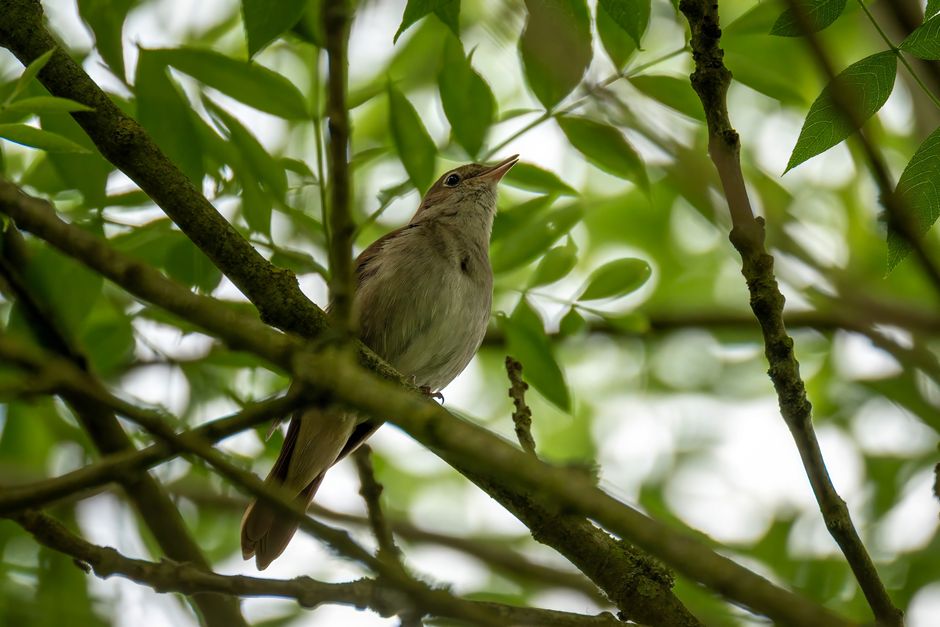
Bird vocalizations offer a rich and accessible pathway into bird identification, complementing visual cues. In many habitats, dense foliage obscures sight, making sound an essential tool for determining which species are present. Understanding the structure and function of these vocalizations can significantly enhance one’s ability to recognize birds by ear. This article explores the fundamental differences between songs, calls, and alarm sounds, and provides a systematic approach to learning and applying this knowledge in the field.
For those new to birdwatching, the variety of sounds can seem overwhelming. However, like any language, bird vocalizations follow patterns and serve specific purposes. By breaking down the components of these sounds and practicing attentive listening, observers can build a reliable skill set. The methods discussed here draw on widely accepted ornithological principles and are designed to be practical for both beginners and intermediate birders. While visual identification remains important, incorporating auditory cues adds a new dimension to the observation experience.
This guide is structured to move from foundational concepts to practical application. It will clarify the roles of songs and calls, explain how to analyze and remember sounds, and discuss ethical considerations. The goal is to provide a framework that can be applied in various environments, from urban parks to remote forests. With consistent practice, the ability to identify birds by sound becomes an intuitive and rewarding aspect of birding.
Understanding Bird Vocalizations: Songs vs. Calls
Bird vocalizations are generally categorized into two main types: songs and calls. These categories are based on their length, complexity, and function. Songs are typically longer, more complex vocalizations, often associated with breeding season. They serve primarily to attract mates and defend territory. Calls, on the other hand, are shorter, simpler sounds used for a variety of everyday communications, such as keeping contact with flock members, signaling food sources, or expressing mild alarm. The distinction is not always sharp, but recognizing the general characteristics of each type aids in initial identification.
Songs are most commonly produced by males, though females of some species also sing. They are often melodious and may vary geographically, leading to local dialects. For example, the song of a Common Chaffinch varies across its range, but the overall structure remains recognizable. Calls, in contrast, are usually simpler and more uniform across a species, though they too can vary. Understanding the function of each vocalization provides context that can help narrow down the species. For instance, a repeated, monotonous call from the undergrowth might indicate a wren’s alarm, while a complex, whistled song from a treetop could be a thrush.
Alarm sounds are a subset of calls, specifically used to warn of potential danger. These are often sharp, loud, and easily detectable. Alarm calls may vary depending on the type of threat, with different sounds for aerial predators versus ground predators. For example, some species produce a thin, high-pitched whistle when a hawk is overhead, but a scolding chatter when a cat is nearby. Recognizing these alarm sounds not only helps in identifying the species but also alerts the observer to the presence of a predator. However, it is important to note that alarm calls can be mimicked by other species, so relying solely on them without visual confirmation may lead to misidentification.
In Estonia, where the article is targeted, common species such as the Great Tit and the Willow Warbler have well-known songs that are relatively easy to learn. The Great Tit’s song is often described as a repetitive two-note pattern, while the Willow Warbler’s song is a descending, silvery trill. Familiarity with such local species provides a practical starting point for practicing sound identification.
How to Learn Bird Sounds: A Step-by-Step Approach
Learning bird vocalizations is a gradual process that involves repeated exposure and active listening. One effective method is to start with a small number of common species in your area. By focusing on five to ten species, you can build a solid foundation before expanding your repertoire. Begin by listening to recordings of their songs and calls, and then practice identifying them in the field. The consistency of these sounds will become familiar over time.
Another approach is to use mnemonic devices or verbalizations that mimic the sounds. For example, the Blackbird’s song can be described as a mellow, fluting phrase, while the Chaffinch’s song ends with a flourish that sounds like a cricket. Creating your own memory aids can make the learning process more engaging and effective. Additionally, visualizing the sound as a spectrogram can help you understand its structure, but this requires equipment and may be more advanced. For most birders, simply listening and repeating the sounds aloud is sufficient.
Field practice is essential. Go to a variety of habitats and listen actively. Try to locate the bird making the sound and observe its behavior. This connection between sound and visual presence reinforces learning. Keep a notebook to record your observations, noting the time of year, habitat, and any behavioral context. Over time, you will notice that some species are more vocal during certain seasons, and their calls may change. For instance, singing activity peaks in early morning and during the breeding season. Being aware of these patterns helps in predicting when and where to listen.
Technology can be a valuable aid. Smartphone apps that record bird sounds and provide spectrograms can help you analyze and compare vocalizations. Some apps even have real-time identification features. However, it is important to use such tools responsibly. Recording bird calls should not disturb the birds or interfere with their behavior. Always maintain a respectful distance and avoid playback that might stress the birds, especially during breeding season.
Analyzing Sounds: Structure, Pattern, and Context
When you hear an unfamiliar sound, breaking it down into its components can aid identification. Pitch, tempo, and rhythm are key characteristics. Pitch refers to whether the sound is high or low. Tempo is the speed at which notes are delivered, and rhythm describes the pattern of pauses and accents. For example, a fast trill with an even rhythm is characteristic of many warblers, while a slow, repeating whistle might indicate a thrush. Note the quality of the sound as well—whether it is clear, buzzy, or raspy.
The context in which a sound is heard also provides crucial clues. Consider the habitat, season, and time of day. A bird singing from the top of a tall conifer in early summer in Estonia is likely to be a different species than one calling from a low bush in winter. The behavior of the bird can also be informative. A bird that is singing while perched is often using a song, while a bird that is calling in flight may be giving a contact or flight call. Understanding these contexts helps you form a hypothesis about the species.
Comparing unknown sounds with known ones is a proven technique. If you know the calls of a few common birds, you can compare the unknown sound to those references. Try to categorize the sound based on its similarity to familiar ones. This method gradually builds a mental library of vocalizations. It is also helpful to listen to a single sound multiple times; you might notice subtle variations that lead to identification. With practice, you can start identifying birds by sound alone, even without seeing them.
Remember that identification by sound is not always definitive. Factors such as distance, weather, and individual variation can affect how a sound is perceived. Always aim to confirm your identification with visual cues when possible.
Resources and Tools for Continuing Education
Numerous resources are available to support your learning. Field guides often include descriptions of vocalizations, and some come with audio companions. Online platforms such as Xeno-canto and the Macaulay Library offer extensive databases of bird recordings, searchable by species and location. These are invaluable for comparing regional variations and rare vocalizations. Local birdwatching groups and ornithological societies can also organize sound-focused walks and workshops, providing opportunities for guided practice.
Listening to recordings from your specific region is particularly useful. In Estonia, for instance, the Estonian Ornithological Society provides resources and may offer courses. Engaging with local experts can give you insights into the nuances of local bird sounds. Practicing in varied habitats—forests, wetlands, coastal areas—will expose you to a broader range of species and their vocalizations.
Finally, incorporating sound into your regular birdwatching routine is the best way to improve. Make it a habit to pause and listen in any outdoor setting. Over time, you will automatically recognize familiar sounds and be able to identify new ones with increasing accuracy. Consistency is more important than intensity; short, regular practice sessions are more effective than rare, lengthy ones. By dedicating time to this skill, you will find that it enhances your overall appreciation of birds and their behaviors.